
From leader to someone who supports others
A manager from the age of 24, I spent more than twenty years in the business world, across highly varied roles and environments. In 2007, I joined PerformanSe — first as a trainer, then as head of its international development. There I led teams, worked across cultures, and supported organisations from every sector — industry, banking, pharmaceuticals, education, public and private — right up to the European institutions, including the Parliament and the Commission. I have known leaders’ reality from the inside: the pressure, the loneliness of decisions, the gap between technical expertise and the art of helping a team grow.
Over those years, a conviction took hold: what lastingly transforms people and collectives is not more expertise. It is the quality of the support — a space that is both rigorous and deeply human, where one can step back and progress.
It was to devote myself fully to this that I founded Impacts4 in 2015. Since then, PerformanSe has remained my preferred partner, and I have deepened my practice to the highest levels of accreditation — in coaching, supervision, mentor coaching and team coaching.
Demanding in method, warm in relationship
I believe quality support rests on two inseparable pillars.
Rigour. My work draws on recognised frameworks — Hawkins & Shohet’s seven-eyed model, Proctor’s three functions, the CoachME© model — and on PerformanSe psychometric tools, which offer an objective mirror and accelerate awareness.
Humanity. No model replaces genuine presence. Because I have led myself, I know what those I support are going through. My role is not to judge, but to create the space of trust where one dares to speak openly and rise beyond oneself.
It is this balance — the demands of international frameworks and the warmth of the relationship — that, I believe, is the signature of Impacts4.
Elaine LEEN
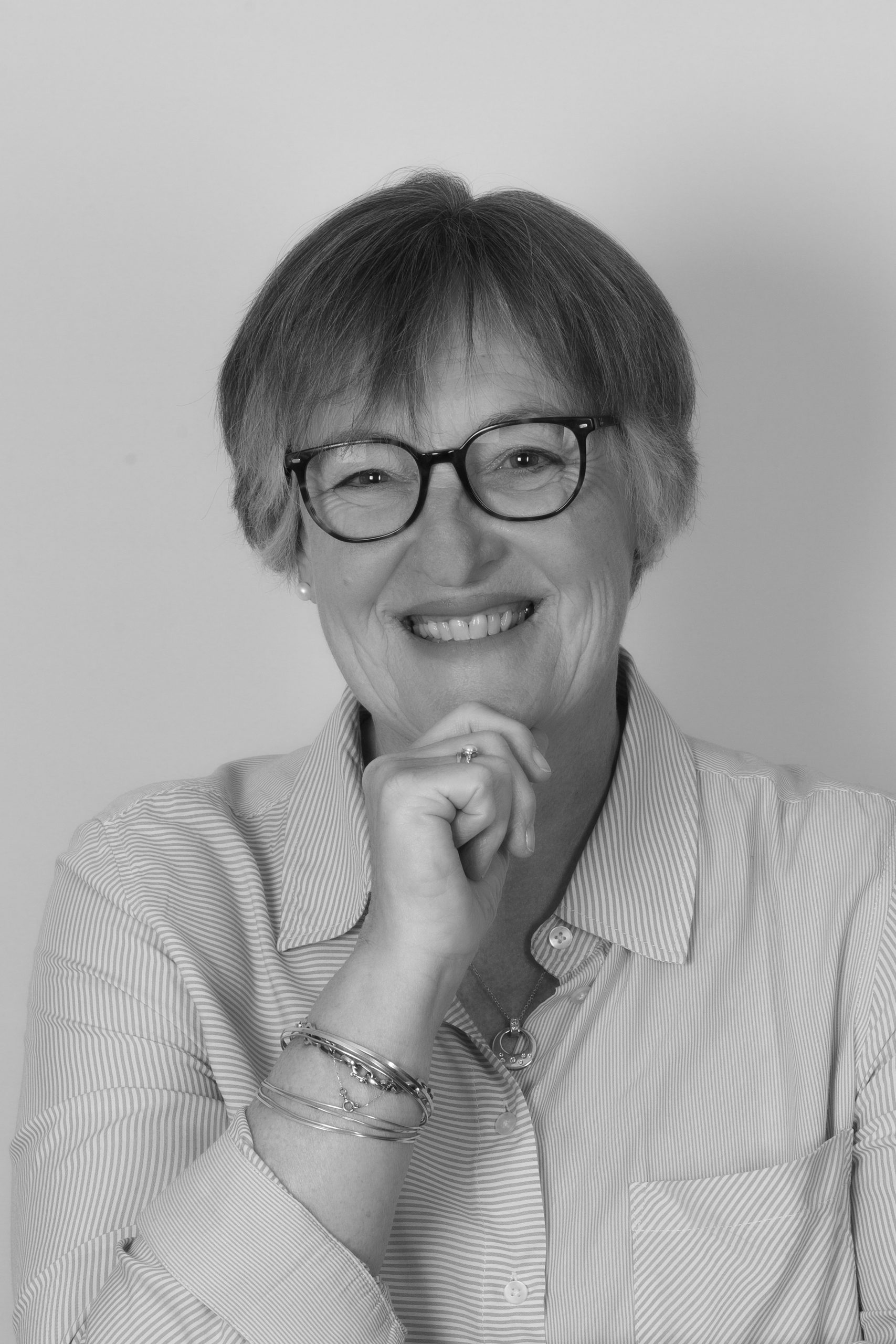
PCC Coach, ESIA-accredited supervisor and founder of Impacts4.
I support leaders, teams and coaches to practise their profession with greater impact and perspective